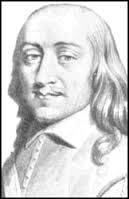
In a recent post I considered a comment by Thomas Rainborough from the 1647 Putney Debates and explained just why it articulates a crucial point still relevant today. Rainborough was expressing an egalitarian ideal not just in terms of wealth but in terms of the election of representatives. As a recap here is the essential core of his speech:
..I think that the poorest he that is in England hath a life to live, as the greatest he;
All progressive contemporary thinking accepts in some form this basic idea of equality. To place the quote in a wider context you can read an expanded version of his speech on this Guardian newspaper webpage. So is there really any more we can learn from Rainborough’s speech from over three centuries ago? I think plenty. Lets start with Rainborough’s central point of just who is eligible to vote. For much of English and British history you needed to own property before you could vote in an election. But Rainborough says:
I do think…the main cause why Almighty God gave men reason, it was that they should make use of that reason, and that they should improve it for that end and purpose that God gave it them.
As the qualification for voting in elections, Rainborough was specifically detaching the requirement for possession of physical property and substituting an inalienable personal quality of every person, namely the ability to reason. Yet today the homeless are not encouraged or given support to vote, despite expecting them to adhere to the laws passed by Parliament and Local Authorities.
Political Equality: Reality Falls Short of Expressed Values
Effective disenfranchisment of the homeless (through a mistaken perception that you need a fixed address to register) is a clear case where political process falls far short of the supposed ideal of political equality. Other examples are the introduction of Individual Voter Registration which disenfranchised up to 800,000 people in the UK along with the distortions delivered by a First Past the Post electoral system which gives disproportionate power to a minority of voters (37% at the last election). Similarly we can point to the recent US presidential election where the Electoral College system gave Donald Trump victory despite losing the popular vote.
Continue reading “What Thomas Rainborough Said Next; More Crucial Lessons We Need to Learn”



 New Leveller